slang
/slaNG/
noun
a type of language that consists of words and phrases that are regarded as very informal, are more common in speech than writing, and are typically restricted to a particular context or group of people.
"grass is slang for marijuana"
Crick is not a slang term, it is a word in very long established and very widespread written as well as spoken usage which is also almost universally used in medicine because it is the commonly known and used term by patients to describe pain in the upper cervical vertebrae or in the musculature of the neck. The etymology of the word goes back to Middle English and the variation referring to a creek actually originates in Scandinavian language also going back several centuries.
There are a bunch of good etymology resources online where one can check one’s own personal ‘beliefs’ about words against the actual facts of their heritage and usage.
For me, it is far better to grasp the Universe as it really is than to persist in delusion, however satisfying and reassuring.
~ Carl Sagan
British spellings (substituting an 's' for the 'z' in '-ize' suffixes, for example, or the superfluous 'u' in words like 'favour', 'colour', 'neighbour', or 'honour').
The original Wordle list was British. NYT modified it to Americanize it. The others use the same list as a base, but if that's the original list or the modified list I don't know.
Death is Nature's way of telling you to slow down.
I was unaware this was originally a British (or British word-based) game ... I thought it was created by or for the NYTimes and was therefore of American origin and tailored to American sensibilities.
The things a person can still learn if every once in a while they'd just sit back, shut up, and listen — right? (Republicans, take note) -"BB"-
Yes, I suppose I could agree with you ... but then we'd both be wrong, wouldn't we?
No, not really. To me, a 'crick' is a slang term for a muscle spasm (a crick in the neck or back)
I'm confused, I thought you were complaining about "shied".
For Christianity, by identifying truth with faith, must teach-and, properly understood, does teach-that any interference with the truth is immoral. A Christian with faith has nothing to fear from the facts
For Christianity, by identifying truth with faith, must teach-and, properly understood, does teach-that any interference with the truth is immoral. A Christian with faith has nothing to fear from the facts
For Christianity, by identifying truth with faith, must teach-and, properly understood, does teach-that any interference with the truth is immoral. A Christian with faith has nothing to fear from the facts
For Christianity, by identifying truth with faith, must teach-and, properly understood, does teach-that any interference with the truth is immoral. A Christian with faith has nothing to fear from the facts
3 tries to get one letter... I've used 14 letters by now. More helpful than it looks. Eliminated 2 key letters and almost all the possible solutions In fact it was this or that.
For Christianity, by identifying truth with faith, must teach-and, properly understood, does teach-that any interference with the truth is immoral. A Christian with faith has nothing to fear from the facts



 ⓮
⓮
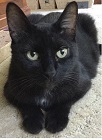
 Cute
Cute
 ... yet another one of those loan-words!