The most famous way to gauge misery is the Misery Index developed by economist Arthur Okun in the 1960s, which combines unemployment and inflation. Our take on misery is based on the things that people complain about on a regular basis.
We looked at 10 factors for the 200 largest metro areas and divisions in the U.S. Some are serious, like violent crime, unemployment rates, foreclosures, taxes (income and property), home prices and political corruption. Other factors we included are less weighty, like commute times, weather and how the area’s pro sports teams did. While sports, commuting and weather can be considered trivial by many, they can be the determining factor in the level of misery for a significant number of people. One tweak to this year’s list: we swapped out sales tax rates for property tax rates. Miami would have finished No. 1 under the old methodology as well.
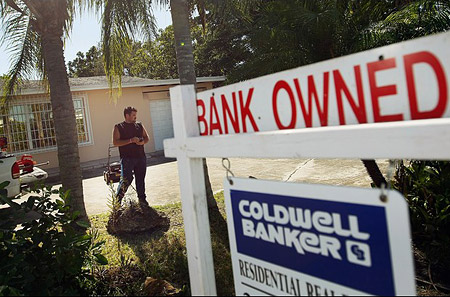
Miami has local company in misery on our list: the West Palm Beach metropolitan division ranks fourth and Fort Lauderdale is seventh. Both areas have been hit hard by the housing crises.
Michigan’s troubled duo of Detroit and Flint clock in at No. 2 and No. 3 among the most miserable cities. The cities have been reeling for decades due to the decline of the U.S. auto industry and in recent years have been demolishing houses to change their city landscapes. Detroit has closed schools and laid off police, while Michigan appointed an emergency manager last year to take over Flint’s budget and operations. Detroit and Flint rank No. 1 and No. 3 when it comes to violent crime, and unemployment over the past three years in both communities has also been among the worst in the U.S.
Last year’s most miserable city, Stockton, ranks No. 11 this year. Stockton got a boost as housing prices have stabilized to some degree after a 45% drop between 2006 and 2008. They also benefited from our replacement of sales tax rates with property taxes in the methodology (Stockton would have finished No. 6 under the old methodology). Stockton still has plenty of problems, though. It ranks among the country’s six worst when it comes to unemployment, foreclosures and violent crime.
Your collective inability to acknowledge this obvious truth makes you all look like fools.
The lake or the town? I've been to both. We lived near there before lake Perris was built.
I like the landscape around there. I've done a lot of hiking in the canyons and hills around there as well as hiking up Mt. San Jacinto many time. But the human impact is vomitous; some of the worst examples of unregulated development you've ever seen and the social and cultural climate is horrible. There were armed guards in the convenience stores starting back in the 1980s.
You can take the most "miserable" city in the country and find some great neighborhoods, good schools, great employers, and fun things to do.
The impression is that all of the people in these places must be miserable, and clearly that is not the case.
I have had great jobs in terrible companies and vice versa. I grew up in what was called a "slum," and I wouldn't trade a minute of it to have lived in a "happy" suburb (like I do now).
Every house on which a bank forecloses is a potential great buy for another family.